
Our sustainability policy
At McCormack Noble we recognise that the work we do has an impact on the environment and we are committed to carrying out our landscaping and construction projects in a responsible and sustainable way. We believe that creating exceptional outdoor spaces should align with protecting natural resources, supporting biodiversity, and reducing our environmental footprint.
As a specialist landscaping contractor working with leading garden designers in London, we continually look for ways to improve how we source materials, manage waste, reduce emissions and protect the environments in which we work. While we understand that construction activities have unavoidable environmental impacts, we are committed to making practical improvements across operations and leaving the spaces we work in more biodiverse than we found them.
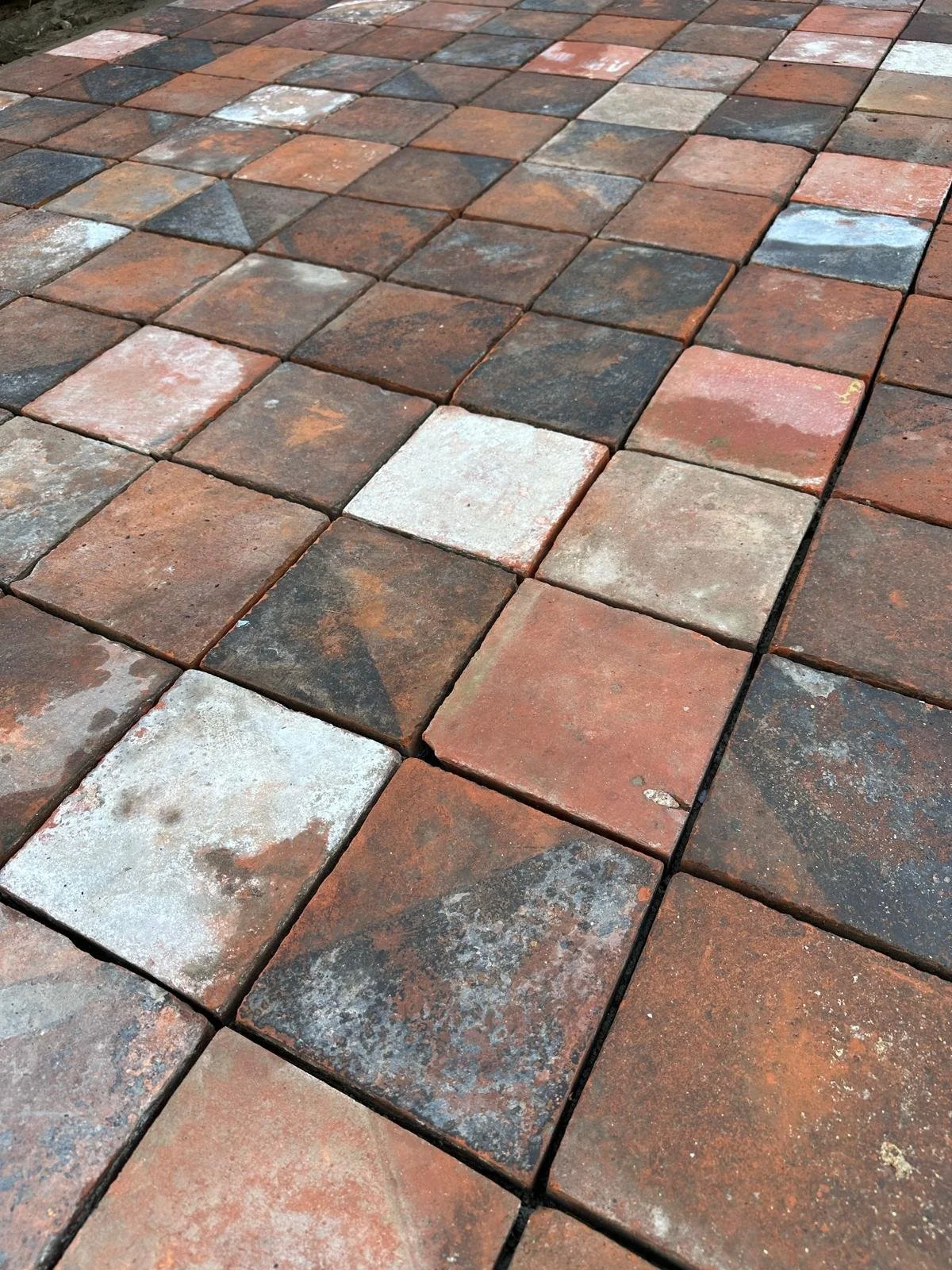
Placeholder image - low-carbon cement
waste & Skips
Introduce a ‘Project Waste Plan’ at the beginning of every job, incorporating the Elemental tool.
Consider:
What is leaving the site?
Can anything stay?
Can anything be reused?
Minimise unnecessary excavation
Invest in a chipper to recycle and reuse green waste on site
Work only with skip companies that dispose of waste sustainably
site practices
Maintain:
Electric vehicles and green travel
Retain and relocate existing trees where feasible, planting smaller nursery stock where possible
Introduce:
Local supplier preference
Consolidation of deliveries
Protection of existing vegetation and soil during construction: implement exclusion zones and track mats
The ‘no dig’ method
materials
Maintain:
Low-carbon concrete and cement
Peat-free products
Compost-based soil improvement
Refuse to use astro-turf
Avoid the use of porcelain
Introduce:
Reclaimed and / or locally sourced stone
Recycled aggregates
Permeable paving
Reclaimed and / or British and European timber
electric machinery
Maintain:
Electric machinery use, i.e. petrol hedge cutters, strimmers, blowers, chainsaws
Introduce:
What was the machine you needed to update to electric?
supplier & partner network
Build and maintain our sustainability outputs through partnership development with preferred suppliers, with a focus on:
Reclamation yards
Tree surgeons
Sustainable aggregate suppliers
Low-carbon material suppliers
Home grown nurseries
garden cultivation & biodiversity
Our commitment to sustainability does not end when a garden is completed. Through our Garden Cultivation service, we have an opportunity to continue caring for and developing the gardens we build, with biodiversity and the wider ecosystem considered fundamental to good garden management.
We believe that ecological thinking and beautiful gardens are not competing priorities. When considered as part of ongoing garden management, healthy soils, diverse planting, responsible water use, wildlife habitat and thoughtful horticultural practices can contribute to gardens that are more beautiful, resilient and rewarding.
Every Garden Cultivation client will begin with a biodiversity assessment. This allows us to understand the existing ecological characteristics of the garden and identify opportunities to enhance biodiversity in ways that complement the original design intent.
Our approach will include, where appropriate:
Improving and protecting soil health
Encouraging diverse and wildlife-friendly planting
Managing lawns in ways that can support biodiversity
Reducing unnecessary use of pesticides and herbicides
Using water responsibly and monitoring irrigation
Retaining appropriate deadwood and natural garden material where beneficial
Managing green waste responsibly, including opportunities for reuse on site
Creating and enhancing habitat for pollinators and other wildlife
Considering bird, bat, hedgehog and insect habitats where appropriate
Monitoring plant health and responding to pests and disease through considered, proportionate management
Identifying opportunities for seasonal planting and ongoing enhancement of the garden's ecological value
The aim is not to change or compromise the original design, but to support the garden as it establishes, matures and evolves. Through considered cultivation, we can help create gardens that work harder for people and for nature, while maintaining the quality and character of the original landscape.
Banking
Currently switching to Starling Bank Business account and Charity Bank Business Savings. Starling has a strict, public policy forbidding direct investment or lending to the fossil fuel industry, arms manufacturers or tobacco companies.
100% of the money stored with Charity Bank is used to fund UK community projects, social housing and environmental charities.